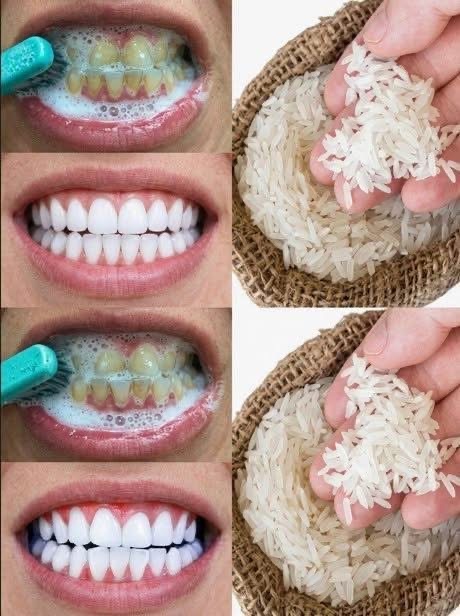
Bright white teeth are often associated with good oral hygiene and confidence. Social media is full of home remedies that claim to remove stains and whiten teeth naturally, and one of the latest trends involves using rice. But does it actually work?
In this article, we’ll explore the claim, what science says, and the safest ways to achieve a brighter smile.

Can Rice Whiten Teeth?
There is no scientific evidence that uncooked or ground rice can whiten teeth in the way professional whitening treatments do.
Some people believe that finely ground rice acts as a mild abrasive, helping remove surface stains caused by coffee, tea, or smoking. While gentle abrasives can polish away some external discoloration, they cannot change the natural color of your teeth or remove deep stains.
Using hard rice grains or aggressively scrubbing your teeth may even wear down enamel over time, making teeth appear more yellow and increasing sensitivity.
Why Do Some Before-and-After Photos Look So Dramatic?
Many viral images online use:
- Different lighting
- Photo editing or filters
- Professional dental treatments
- Temporary whitening products
These factors can make results appear much more impressive than they actually are.
What Actually Causes Yellow Teeth?
Several factors contribute to tooth discoloration:
- Coffee and tea
- Red wine
- Tobacco use
- Poor oral hygiene
- Aging
- Certain medications
- Genetics
Some stains are only on the surface, while others develop deep inside the tooth and require professional treatment.
Safe Ways to Brighten Your Smile
If you’re looking for whiter teeth, these methods are generally more effective:
1. Brush Twice Daily
Use a fluoride toothpaste and brush for two minutes every morning and evening.
2. Floss Every Day
Floss removes plaque and food particles that brushing alone cannot reach.
3. Use Whitening Toothpaste
Whitening toothpaste can help remove surface stains over time, but it won’t dramatically change your tooth color.
4. Limit Staining Foods and Drinks
Reduce coffee, tea, cola, and red wine, or rinse your mouth with water after consuming them.
5. Visit Your Dentist
Professional cleanings remove tartar and stubborn stains, while professional whitening treatments offer the most noticeable and predictable results.
Is It Safe to Brush with Rice?
Occasionally using finely ground rice is unlikely to cause immediate harm, but it should not replace regular toothpaste. Avoid scrubbing with whole rice grains or using excessive force, as repeated abrasion may damage tooth enamel.
The Bottom Line
Rice is not a proven teeth-whitening solution. While it may help remove a small amount of surface buildup through gentle abrasion, it cannot bleach teeth or produce the dramatic results often shown in viral social media posts.
For a healthier, brighter smile, focus on consistent oral hygiene, regular dental checkups, and evidence-based whitening methods recommended by dental professionals.